


Faith, Responsibility, and Resilience
Mennonite Response to Epidemics in Imperial Russia and Manitoba
By Garth Doerksen, Senior Curator
Throughout the nineteenth and early twentieth centuries, Mennonite communities faced repeated outbreaks of infectious disease. In both Imperial Russia and later Manitoba, epidemics brought grief, uncertainty, and high mortality. Yet the Mennonites responded in ways that reflected both their religious faith and their strong sense of communal responsibility.
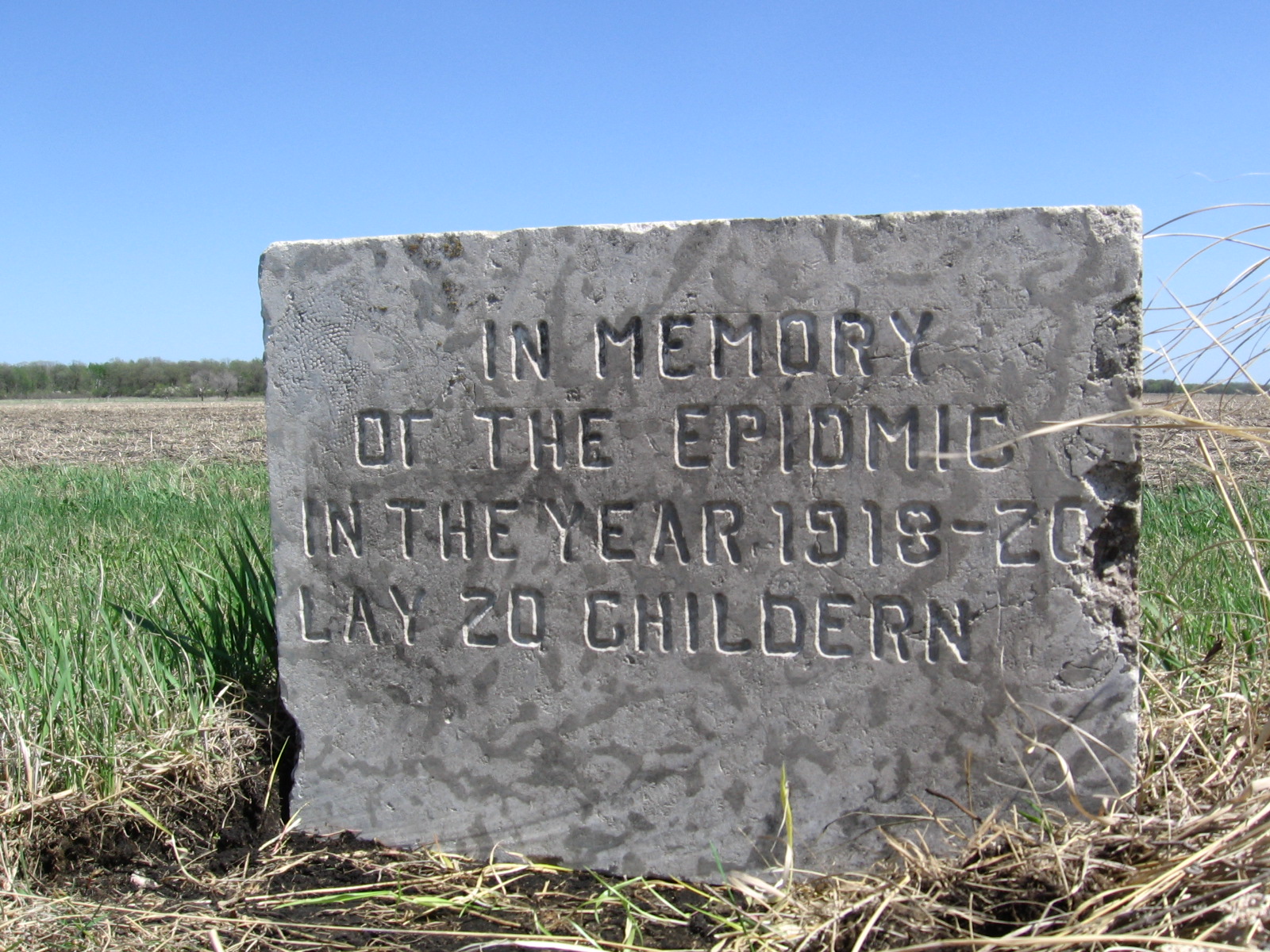
In the Mennonite colonies of Imperial Russia, disease was a constant presence. Smallpox, cholera, diphtheria, scarlet fever, and typhoid regularly swept through villages. Children were particularly vulnerable. The toll could be devastating, especially during the winter months when infectious diseases spread more easily among crowded households. In 1859, three-quarters of all recorded deaths in the Chortitza colony were children, and some families lost several children within a matter of days. For many Mennonite families, illness and bereavement were tragic realities of everyday life.
One of the earliest and most significant responses to disease was the adoption of smallpox vaccination, beginning in 1804. They regarded medical intervention through vaccination as a gift provided through God’s providence. Community members learned how to administer vaccinations themselves, helping to protect entire villages from one of the deadliest diseases of the era.
The cholera epidemics of the nineteenth century further demonstrated the Mennonites’ commitment to collective action. When cholera threatened the Molotschna colony in 1830, community leaders implemented strict measures designed to prevent the disease from entering their communities. Roads leading into the colony were blocked, travellers were required to undergo quarantine, and sick individuals were separated from healthy residents. Houses were designated as temporary hospitals, and community representatives regularly visited homes to monitor the health of families.
Johann Cornies (1789-1848), the influential Mennonite leader and agricultural reformer, left a vivid description of these efforts. He wrote that the Mennonite villages existed “like an island in an ocean of cholera” and explained how two men visited every household each day to check on residents. Cornies expressed gratitude for the protective regulations and urged colonists to follow them carefully.
When many Mennonites migrated to Manitoba in the 1870s, they brought with them their general acceptance of preventative measures to combat widespread diseases, including vaccination. As a result, they were largely protected during the severe smallpox epidemic that affected portions of Manitoba and beyond during that decade.
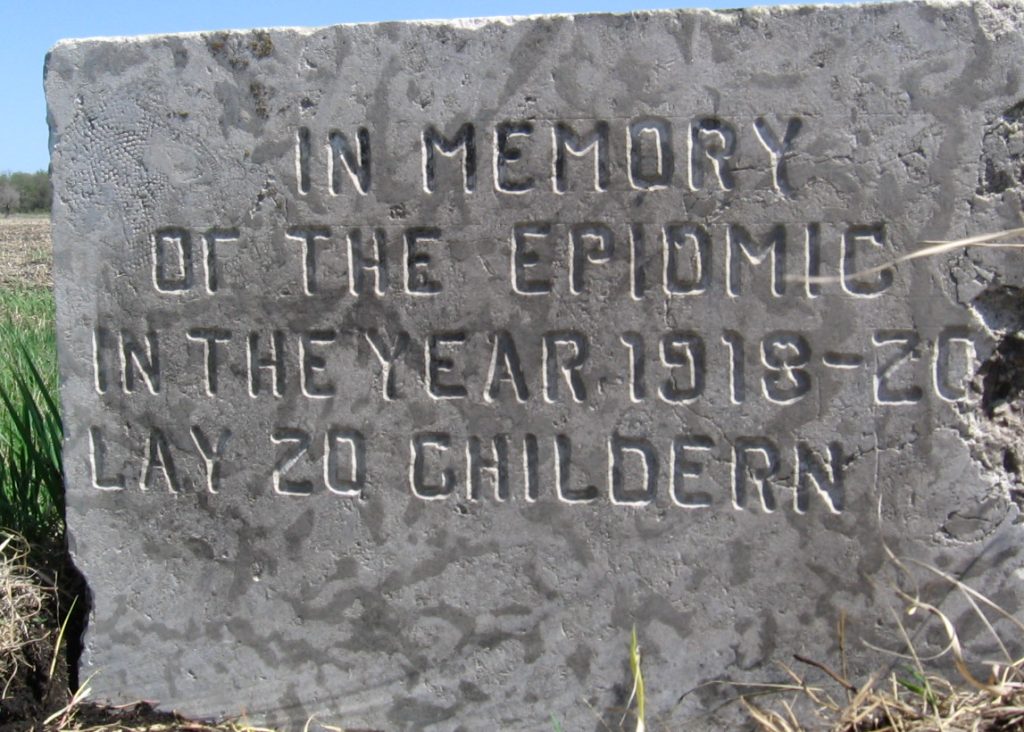
Life in Manitoba presented new challenges. During the late nineteenth and early twentieth centuries, Mennonite communities encountered a series of serious epidemics. Scarlet fever swept through settlements in 1894, typhoid fever caused significant illness in 1909 and 1910, and both diphtheria and the Spanish influenza pandemic devastated families between 1918 and 1920. Despite these hardships, most Mennonites continued to cooperate with public-health authorities and accepted immunization programs where available.
At the same time, these health crises occurred during a period of growing tension between Mennonite communities and government authorities. The Canadian government had promised considerable cultural and religious autonomy to Mennonite settlers in 1873. However, later policies, including the Municipalities Act of 1880, legal actions against traditional healers in the 1890s, and compulsory public-school legislation in 1916 and 1917, led some Mennonites to feel that those promises were being eroded. Although many continued to support modern medical practices, government involvement in community affairs sometimes generated suspicion and resistance.
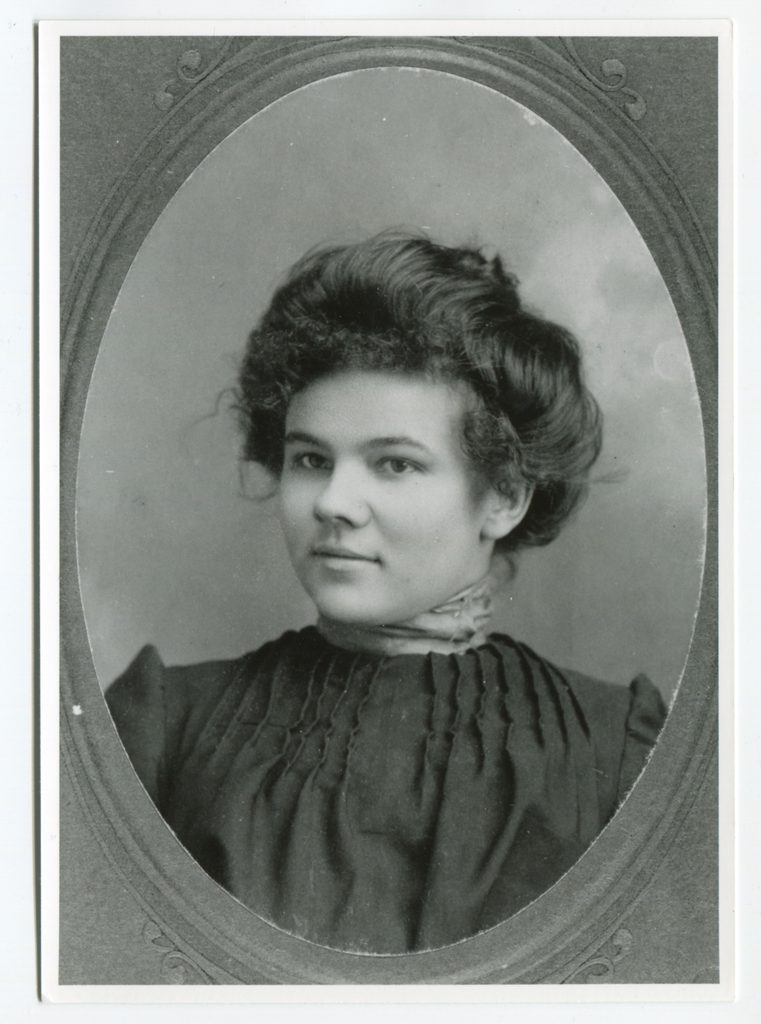
One example of Mennonite service during a public-health emergency occurred during the Spanish influenza pandemic of 1918. Nurse Aganetha (Agnes) Fast (1883-1977) earned the title “the Florence Nightingale of Steinbach” for her extraordinary efforts. Though trained in Minneapolis and not formally licensed, Fast responded decisively when influenza spread through the community. She converted a local school into a temporary hospital, organized care for the sick, and worked tirelessly despite significant personal risk. Her dedication reportedly resulted in all but one of her patients surviving, an extraordinary achievement during one of the deadliest pandemics in modern history. Fast’s work embodied the Mennonite tradition of compassionate service and practical care for those in need.
From the steppes of Imperial Russia to the villages of Manitoba, Mennonites demonstrated resilience in the face of disease. Their story is one of loss and suffering, but also of adaptation, cooperation, and service, values that helped their communities endure some of the most challenging public-health crises of their time.
To learn more about the relationship between Mennonite history and health care, visit MHV’s exhibit, Mennonite Medicine: Cures and Curiosities, 1800-1950. Through artefacts, stories, and personal accounts, the exhibit explores the medical challenges, remedies, and innovations that shaped Mennonite life across generations.