

The Russländer
The 100th Anniversary
May 2019 - December 2019
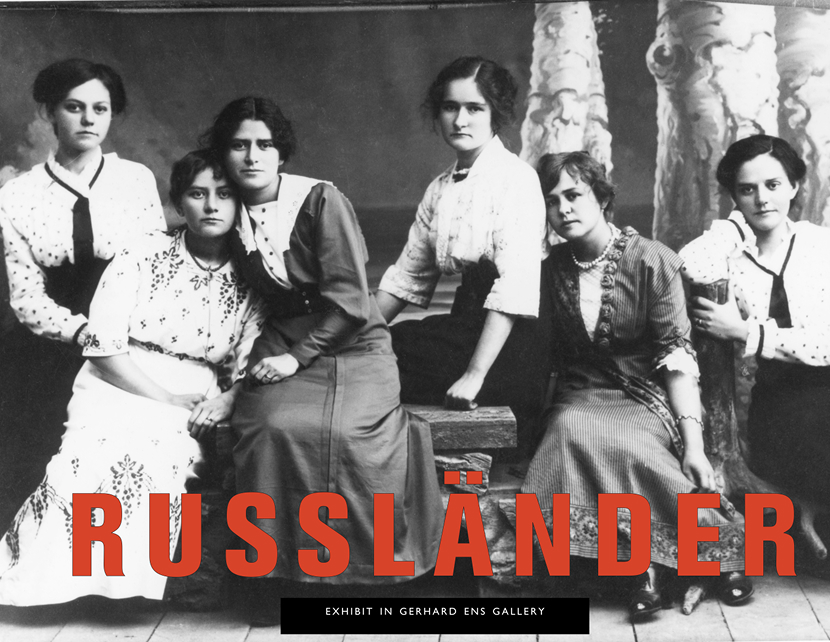
From 1923 to 1930, over 24,000 Mennonites fled the Soviet Union, having survived years of war, violence, hardship, and trauma. The Russländer exhibit commemorated the 100th anniversary of the start of this migration to Canada by exploring the lives and stories of these immigrants. The exhibit examined the lives of Russländer in the Russian Empire before the Russian Revolution in 1917, the circumstances under which they left the Soviet Union, and the factors that helped to bring them to Canada. The exhibit asked how the history of the Russländer is remembered today through the objects that the immigrants brought to Canada with them and the stories they shared about their lives.
In the fall of 1920, the Bolsheviks took control of Russia and with that, Soviet money came into circulation, leading to a dramatic rise in inflation as the new currency lost its value and prices increased. In this desperate situation, private businesses began printing their own script money that could be redeemed only at their locations. Many workers would spend their pay cheques the day they received them; if they waited even a few days to spend them, the money would have already lost much of its value.
The transportation of many of the over 24,000 Russländer arriving in Canada between 1923 and 1930 was provided on credit from the Canadian Pacific Railway (CPR). The accumulated Reiseschuld totalled over 1.5 million dollars, a staggering sum to a Mennonite community entering the economic depression of the 1930s. The Canadian Mennonite Board of Colonization, the body responsible to repay the debt, failed repeatedly to meet its obligations. The debt was finally repaid in November 1946, with the help of the CPR, who cancelled half of the interest owing in the 1930s.
Many Russländer families who had arrived in Canada on credit struggled just to make a living and some did not make repaying their debts a priority. For most families, however, the burden of the travel debt was heavy and born by the entire family. They worked low-paying jobs and found innovative ways to earn a living even while paying off this debt. This case is filled with items related to the work Russländer did to repay their Reiseschuld.